A dry ice bag does not have one frozen-meat duration that applies to every load. The result depends on the meat’s required conditions and the complete container, coolant and loading arrangement. Assess the temperature history of the actual product, not just whether dry ice remains at delivery.
Specify the meat and its dispatch condition
Record whether the shipment contains large cuts, small portions, minced products or prepared meals, and identify the primary packaging. Use the product-specific limits and quality criteria. Chilled meat and frozen meat are different transport requirements.
Bring the load to its specified starting condition before packing. A previously accepted result for one mass or portion arrangement does not automatically cover a lighter mixed order or a differently shaped load.
Check the load geometry
| Feature | What to assess |
|---|---|
| Portion dimensions | Representative product locations near and far from coolant. |
| Layering | Whether upper, lower and edge portions see different exposure. |
| Primary packaging | Containment, movement and compatibility with the intended cold exposure. |
| Empty space | Whether the actual arrangement matches the tested layout. |
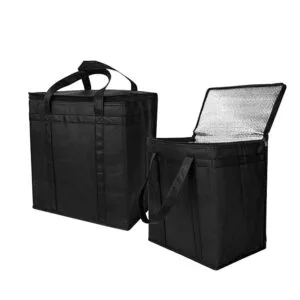
| Bag or shipper | Manufacturer-permitted dry-ice use, closure and gas-release design. |
Do not declare a best position using a cold-air rule. Dry-ice placement, direct contact and separators can create different local product temperatures.
Demonstrate useful frozen hold time
- Define the product limits and full packing-to-receipt duration.
- Choose loads representing the allowed dimensions and masses.
- Use the intended coolant form and actual loading mass.
- Position sensors at justified product locations.
- Run representative seasonal and delay exposure.
- Assess the full temperature record and physical condition.
A piece that still feels hard is not a complete record of its exposure. The accepted duration belongs to the specific loading configuration and conditions represented by the study.
Use the result for daily dispatch
Keep the meat-loading drawing, coolant specification and preparation instructions together. If portions, carton, bag construction or route changes materially, assess whether the previous evidence still applies.
Helpful decision tools
Check the details before you choose packaging
These quick tools can help you compare route risk, sizing needs, coolant choices, and packaging details before you request a quote.
Compliance Checklist Generator
Build a practical checklist for packaging review, shipping, and documentation.
Build checklistInsulation Material Drop Resistance
Review drop resistance and handling factors before choosing insulation materials.
Check resistancePackaging Selector
Compare insulated packaging options by product, route, and temperature need.
Find packagingDefine the receiving and exception process for damaged, delayed or uncertain loads. Preserve product identity and the available temperature evidence for the responsible food-safety assessment.
Where applicable to US aircraft or water transport, 49 CFR 173.217: carbon dioxide, solid addresses gas-release packaging. Carrier acceptance remains separate from frozen-meat performance.
Frequently asked questions
Will a smaller meat order last longer?
Not automatically. Payload geometry, thermal mass and coolant contact change the configuration.
Does visible dry ice prove every portion stayed frozen?
No. Distant or poorly protected locations can behave differently; assess the product record.
Can I use the same instructions for chilled meat?
Not without a separate assessment against the chilled-product requirements and freezing risk.
Connect duration to the other decisions
Use the frozen-food mass checklist for loading quantity and the meat transport handoff checklist for custody and hygiene. This article focuses on the meat load represented by the duration evidence.