Natural Preservative-Free Cream Cold Chain Packaging Guide
Natural preservative-free cream shipments need a packout that protects formula stability, retail presentation, and customer confidence. Natural and preservative-free positioning can increase sensitivity to heat, repeated temperature swings, jar handling, and moisture exposure, so the shipment should be planned from the formula’s validated storage range rather than from carton size alone.
The final handling range should come from the brand’s stability data, label instructions, quality agreement, and route test results. A cool chain does not need to make the product as cold as possible. It should keep the formula inside its approved range while preventing freezing, condensation, jar movement, and retail carton damage.
Packout planning data
| Temperature range | Use the brand's validated storage range; many preservative-free creams use a cool or refrigerated lane to protect quality. |
|---|---|
| Humidity and condensation | Keep cartons, seals, labels, and paper inserts dry because condensation can weaken premium retail packaging. |
| Pre-cooling | Pre-condition finished cream, shipper, coolant, and packing area before loading so product is not used as the heat sink. |
| Package pressure | Protect jars, airless pumps, foil seals, and retail cartons from compression, drop impact, and coolant pressure. |
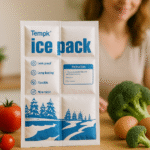
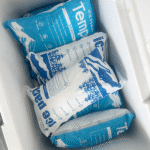
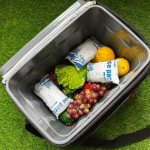
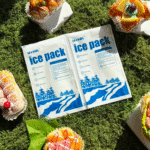
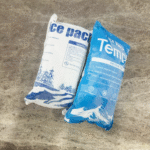
| Coolant position | Use conditioned gel packs or phase-change packs separated from jars by corrugate, foam, or molded inserts. |
| Transport duration | 24-48 h e-commerce, spa, retail replenishment, or subscription lanes should include doorstep dwell and summer ambient testing. |
| Common losses | Heat exposure, phase separation, texture change, wet cartons, jar movement, seal lift, and microbial-risk complaints. |
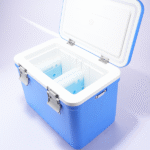
| Tempk packaging fit | Tempk cool-chain insulated shipper, conditioned coolant, jar insert, dry barrier, and temperature logger for validated lanes. |
What changes for this product
Natural preservative-free cream can be more vulnerable to microbial-risk complaints, phase separation, texture change, and customer rejection when exposed to high heat or wet packaging. Jarred creams also need pressure control because a heavy gel pack or mixed carton can stress the lid, seal, or outer carton.
Pre-cooling and coolant conditioning matter. If product enters the shipper warm, the coolant is forced to remove product heat before it protects the route. If coolant is too cold or too close to the jar, the formula or label area may be damaged even when the average box temperature looks acceptable.
Helpful decision tools
Check the details before you choose packaging
These quick tools can help you compare route risk, sizing needs, coolant choices, and packaging details before you request a quote.
Coolant & PCM Reference
Compare coolant and PCM options when a route needs added temperature support.
Compare optionsCompliance Checklist Generator
Build a practical checklist for packaging review, shipping, and documentation.
Build checklistBox Liner & Pallet Cover Sizing
Check box liner and pallet cover sizing logic for insulated packaging projects.
Estimate sizingRecommended Tempk packaging approach
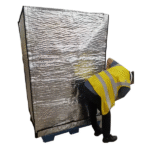
Use a Tempk insulated shipper or box liner with conditioned gel packs, a dry barrier, and a jar insert that keeps products in the tested zone. For premium e-commerce orders, the insert should protect both formula quality and unboxing presentation, including carton edges, printed labels, and seals.
For warm routes, validate the packout with summer ambient profiles, doorstep dwell, and the actual product count. For refrigerated or cool-room programs, confirm that the receiving team understands the expected temperature range and knows how to handle condensation, seal checks, and hold decisions.
Receiving checks
At arrival, review logger data when used, carton dryness, jar position, seal condition, label readability, and visible formula changes. If the product shows separation, odor change, leakage, or carton saturation, follow the brand’s quality procedure before releasing the shipment.
Tempk can support shipper sizing, coolant placement, insert design, and route validation for natural preservative-free skincare programs. Share product dimensions, jar material, case count, target range, route duration, ambient profile, and unboxing requirements to build a lane-specific packout.