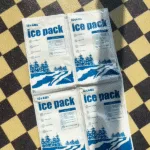
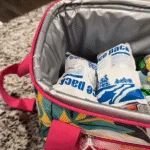
Solid CO₂ cannot be refrozen into dry ice in an ordinary freezer after it has sublimated. Some water, gel, phase-change or hydratable packs may be reusable, but only within their supplier’s instructions and your acceptance criteria. A reusable label does not mean unlimited service life.
Decide what kind of reuse is being proposed
Remaining solid CO₂ is material that has not yet been consumed; using it again is not recharging the original quantity. Returning a sealed cold pack to service is a different process, involving identity, condition, hygiene and preparation.
For an unfamiliar “dry ice pack,” establish the actual material from the specification. Do not assume that water activation, refreezing or cutting is permitted for every sheet or pouch.
Apply the acceptance checklist
| Gate | Accept only when |
|---|---|
| Identity | The pack is the exact component permitted in the shipping instruction. |
| Supplier permission | Reuse is allowed and any cycle or age limits are satisfied. |
| Physical condition | Seams, film and closures are intact, without leakage or unacceptable deformation. |
| Hygiene | The pack can be cleaned under an appropriate permitted procedure. |
| Preparation | The specified starting condition can be achieved with the available equipment. |
| Performance history | Known problems or uncertain exposure have been assessed before return. |
Quarantine units that fail or have uncertain identity. A minor-looking seam defect can still matter during later freezing, handling or compression. Use documented criteria so different operators make consistent decisions.
Set a defensible retirement policy
Start with supplier limits and the use conditions covered by its evidence. Add operational rejection triggers for leakage, damage, contamination or unacceptable performance. Where cycle tracking is required, record completed cycles using a practical identification method.
Do not assume unlimited reuse or a fixed number of cycles without evidence for the specific product. An intact-looking enclosure does not, by itself, demonstrate unchanged thermal behavior.
Check the returned component in its system
When repeated use could change performance, compare representative returned packs with accepted reference units in the same packout. Control container, payload, conditioning, coolant quantity and exposure. Investigate differences in the product temperature record before returning the affected population to routine use.
Helpful decision tools
Check the details before you choose packaging
These quick tools can help you compare route risk, sizing needs, coolant choices, and packaging details before you request a quote.
Compliance Checklist Generator
Build a practical checklist for packaging review, shipping, and documentation.
Build checklistInsulation Material Drop Resistance
Review drop resistance and handling factors before choosing insulation materials.
Check resistanceInsulation Material Reference
Compare insulation material choices for different cold chain packaging needs.
Compare materialsReuse of a pack does not establish reuse of the shipping box. Inspect and assess each component according to its own specification, then confirm that the complete configuration still matches the accepted instruction.
Solid dry ice releases CO₂. The exposure concerns described by CDC: dry ice exposure and ventilation belong to CO₂ handling, not automatically to every gel pack sold with a similar name.
Frequently asked questions
Can I refreeze a pack that leaked?
Do not return a leaking pack to service under an intact-pack specification. Follow the supplier’s rejection or approved repair procedure.
Can every sheet be cut to fit?
No. Cutting may open filled cells or defeat the enclosure. Follow the exact sheet’s permitted preparation method.
Does reuse automatically reduce environmental impact?
No. A comparison needs actual use cycles, cleaning, energy, transport and end-of-life assumptions. Do not claim a percentage reduction without evidence.
Move accepted packs into controlled storage
Use the storage and inventory guide after acceptance. For the chemistry question, read whether dry ice packs can be refrozen. For hold time after repeated cycles, see reusable-pack performance checks.