Fresh Food Subscription Boxes Cold Chain Packaging Guide for Parcel Delivery
Fresh food subscription boxes combine chilled food safety, ingredient quality, and customer presentation in one parcel. The packout must keep food cold, protect fresh ingredients from moisture and pressure, and still look clean when the customer opens the box.
Why fresh food subscription boxes need their own packout
A subscription box is usually a mixed load: protein, prepared items, fresh produce, sauces, dairy, and recipe cards may share the same insulated space. One coolant layout can over-chill greens, crush soft produce, wet paper labels, or leave dense proteins warmer than expected. The goal is not only to hold a cold range, but to control moisture, pressure, and product separation through parcel handling.
For chilled food parcel delivery, many operators use a practical target around 0-4 C for the cold zone and validate the route against the warmest product location. The exact requirement should follow the food type, local regulations, customer promise, and route duration.
Helpful decision tools
Check the details before you choose packaging
These quick tools can help you compare route risk, sizing needs, coolant choices, and packaging details before you request a quote.
Dry Ice Calculator
Estimate dry ice needs for frozen or ultra-cold shipments before packing.
Estimate dry iceBox Liner & Pallet Cover Sizing
Check box liner and pallet cover sizing logic for insulated packaging projects.
Estimate sizingInsulation Material Drop Resistance
Review drop resistance and handling factors before choosing insulation materials.
Check resistancePackout requirement table
| Cold chain factor | Fresh food subscription box requirement | Tempk packaging response |
|---|---|---|
| Temperature range | Chilled parcel route, commonly validated around 0-4 C for high-risk refrigerated contents. | Insulated box with conditioned gel packs sized to route time and product mass. |
| Humidity | High risk around leafy produce, recipe cards, labels, and paper cartons. | Dry liner, absorbent pad, sealed ingredient pouches, and coolant separation. |
| Pre-cooling | Proteins, dairy, and prepared components should enter the box from cold staging. | Pack only after products, gel packs, liners, and shipper are ready. |
| Packaging pressure | Mixed ingredients can be crushed by coolant or by heavier products during carrier handling. | Use dividers, tray support, and a flat coolant protection layer. |
| Coolant position | Gel packs should cool the product zone without direct pressure on delicate items. | Top or side coolant placement with product separation and route testing. |
| Transit duration | Same-day to 48 h parcel routes, with last-mile and doorstep dwell included. | Validate warm-season lanes with logger data and receiving checks. |
| Common losses | Warm protein, wilted greens, wet cards, leaking sauces, crushed produce, and customer rejection. | Balanced cold source, moisture control, ingredient zoning, and receiving checklist. |
Route design notes
Map the warm points before choosing the shipper: packing bench time, carrier handoff, sort-center dwell, line haul, delivery vehicle dwell, and doorstep exposure. A route that performs in winter may fail in summer if the gel pack mass or insulation thickness is unchanged.
The inner layout should separate dense, high-risk refrigerated items from delicate produce and paper materials. Place gel packs where they cool the food zone evenly, but avoid direct contact with greens, paper labels, sauce lids, or thin retail packs. For boxes with proteins and fresh produce together, use product zoning rather than one loose cavity.
Tempk recommendation
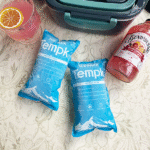
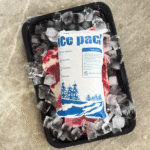
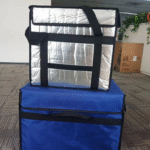
A typical Tempk fresh food subscription packout uses an insulated box or liner, conditioned gel packs, a dry separation layer, product dividers, absorbent material where needed, and lane-specific validation. Start with product-level logger testing, then check food temperature, condensation, crushed items, leaks, label condition, and the overall unboxing experience.