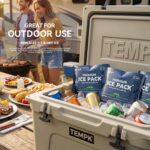
Bulk reusable gel ice packs are rapidly becoming a cornerstone of modern cold‑chain logistics. Sold in pallet or case quantities, these packs combine economy of scale with long‑lasting thermal retention, making them ideal for food producers, meal‑kit brands, pharmaceutical shippers, and e‑commerce retailers striving to balance performance with sustainability.
1. How Gel Ice Packs Work
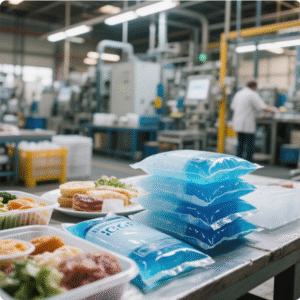
Each pack contains a non‑toxic polymer gel that absorbs large amounts of latent heat as it freezes. When thawing, it releases that stored cold energy slowly and predictably, maintaining 0–8 °C (or other chosen ranges) far longer than wet ice. Because the gel remains pliable when frozen, it conforms to product contours, minimizing dead‑air pockets and boosting heat transfer efficiency.
2. Benefits of Buying in Bulk
Purchasing in large volumes dramatically lowers unit cost, simplifies inventory planning, and reduces the carbon footprint associated with multiple small shipments. Bulk orders also allow custom options—dimensions, branding, and phase‑change temperatures—to match specific route durations and payload sizes.
Helpful decision tools
Check the details before you choose packaging
These quick tools can help you compare route risk, sizing needs, coolant choices, and packaging details before you request a quote.
Coolant & PCM Reference
Compare coolant and PCM options when a route needs added temperature support.
Compare optionsRoute Risk Checker
Review lane conditions before selecting packaging for real operating requirements.
Check route riskDry Ice Calculator
Estimate dry ice needs for frozen or ultra-cold shipments before packing.
Estimate dry ice3. Reusability & Environmental Impact
High‑grade LDPE or HDPE outer films resist punctures, enabling dozens of freeze–thaw cycles without leakage. Reusing packs not only slashes single‑use plastic waste but also cuts total cost of ownership, aligning with corporate ESG targets and emerging regulatory pressures.
4. Integration with Insulated Packaging
Gel packs pair effectively with EPS, EPP, or VIP liners and data‑logging sensors. Correct load planning—pre‑conditioning packs, using adequate surface area, and controlling headspace—can extend hold times beyond 48 hours even in summer lanes, protecting product quality and brand reputation.
Tempk Advantage
While gel packs cover routine routes, Tempk’s Dry Ice Pack line adds extreme‑cold capability. These sheets hydrate in minutes, freeze fast, and deliver CO₂‑level sub‑zero temperatures without handling dry‑ice pellets. Lightweight, cut‑to‑fit panels reduce freight costs, meet FDA/TÜV/SGS safety standards, and integrate seamlessly with existing gel‑pack workflows—giving shippers a versatile, high‑performance upgrade path.