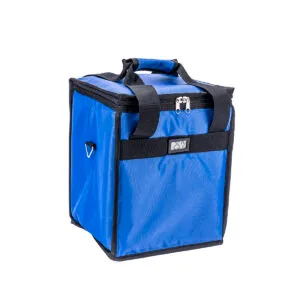
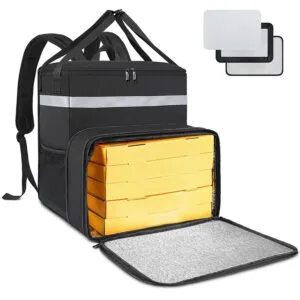
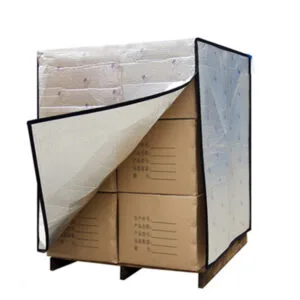
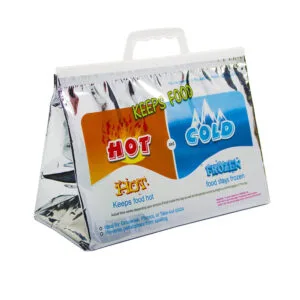
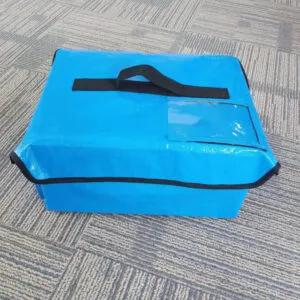
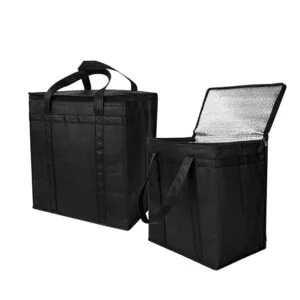
Dry ice is essential for keeping temperature-sensitive products frozen, especially during shipping. When packed in an insulated bag, its lifespan can vary. This article explores how long dry ice lasts in an insulated bag and how you can maximize its efficiency during transport.
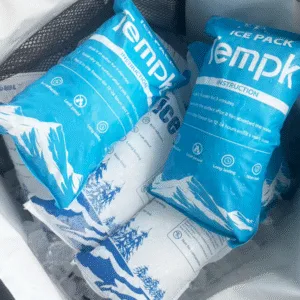
What Determines the Longevity of Dry Ice in an Insulated Bag?
Insulation Quality: High-quality insulation materials significantly extend the cooling time of dry ice.
External Temperature: Warmer environments accelerate the sublimation process.
Amount of Dry Ice: Larger quantities last longer due to slower sublimation.
Ventilation and Bag Size: Proper ventilation ensures CO₂ gas escape, preventing bag rupture.
How Long Can Dry Ice Last in an Insulated Bag?
On average, dry ice can last anywhere from 18 to 72 hours in a well-insulated bag. The actual duration depends on several factors like the insulation type, external temperature, and the quantity of dry ice used.
| Container Type | Typical Hold-Time | Practical Use Case | What it Means for You |
|---|---|---|---|
| Open environment (no bag) | 3-5 hours | Immediate sublimation | Only use for short-term needs. |
| Styrofoam cooler | 18-24 hours | Small shipments, day trips | Basic but cost-effective option. |
| EPP insulated bag | 48-72 hours | Pharmaceuticals, long deliveries | Ideal for longer transport. |
| Vacuum-insulated container | 7+ days | Biomedicine, sensitive goods | Best for extended transport. |
How Can You Maximize the Life of Dry Ice in an Insulated Bag?
To extend dry ice’s effectiveness, here are practical strategies:
Use Larger Blocks of Dry Ice: Larger blocks last longer as they sublimate more slowly.
Pre-Chill Your Bag: Before packing, chill the insulated bag to minimize temperature differences.
Limit Bag Openings: Every time the bag is opened, warm air accelerates sublimation.
Enhance Insulation: Use additional materials like towels or blankets to add more insulation.
Store in a Cool Location: Keep the shipment in a shaded, cool area to reduce external heat exposure.
Practical Example:
A pharmaceutical company uses large dry ice blocks, thick foam insulation, and tight packaging to ensure vaccines stay cold for over 48 hours during shipping.
How Does Dry Ice Compare to Gel Packs for Longevity?
Dry ice offers superior cooling capabilities, especially for items requiring sub-zero temperatures.
| Cooling Method | Temperature Range | Cooling Duration | Safety | Environmental Impact |
|---|---|---|---|---|
| Dry Ice | –78.5°C | 18-72 hours | High risk of frostbite | High CO₂ emissions |
| Gel Packs | 0°C to –20°C | 4-12 hours | Safe, reusable | Moderate environmental impact |
| Dry Ice Substitutes | –20°C to –40°C | Up to 48 hours | Low risk, reusable | Eco-friendly, biodegradable |
Tip: When transporting frozen goods, dry ice remains the best option. However, gel packs are more suitable for items that only need to stay cool (above freezing).
How to Safely Pack Dry Ice in an Insulated Bag
Follow these steps for safe and effective dry ice packing:
Calculate Dry Ice Quantity: Use approximately 0.25 lb of dry ice per liter of bag volume for a 48-hour hold time.
Helpful decision tools
Check the details before you choose packaging
These quick tools can help you compare route risk, sizing needs, coolant choices, and packaging details before you request a quote.
01Ice pack estimateIce Pack Calculator
Estimate gel ice pack quantity for chilled shipments and practical route planning.
Estimate ice packs02Packaging choicePackaging Selector
Compare insulated packaging options by product, route, and temperature need.
Find packaging03Checklist supportCompliance Checklist Generator
Build a practical checklist for packaging review, shipping, and documentation.
Build checklistPrecondition the Bag: Chill the bag in a freezer for at least 60 minutes.
Position the Dry Ice: Wrap the dry ice in a breathable material like paper and place it on top of the items.
Vent the Bag: Always leave a small vent hole or open the zipper slightly to allow gas to escape.
Seal and Label: Properly seal and label the bag with the correct UN 1845 markings.
Note: Dry ice is classified as hazardous material. Always handle with care using insulated gloves to avoid frostbite.
Latest Trends in Dry Ice and Insulated Packaging for 2025
The cold chain logistics sector is evolving with innovations that optimize dry ice storage and sustainability.
Key Trends:
Biodegradable Insulation Materials: Growing use of eco-friendly materials like aerogel and recycled CO₂ for packaging.
Smart Vent Plugs & Sensors: These allow real-time monitoring of CO₂ levels and temperature, optimizing dry ice usage.
Sustainability Focus: Demand for reusable dry ice substitute packs continues to rise, offering lower CO₂ emissions.
Market Insights:
The global cold chain logistics market is expected to grow by 7.6% CAGR from 2025 to 2032, driven by pharmaceutical and e-commerce sectors.
Environmental Regulations: Increased regulations are pushing for greener solutions like recycled CO₂ pellets and PFAS-free foams.
FAQs
Q1: How long does dry ice last in a cooler bag?
Dry ice typically lasts 18-24 hours in a well-insulated cooler bag, depending on the insulation quality and external temperature.
Q2: Can dry ice be used in a plastic bag?
No, plastic bags do not provide adequate insulation and can result in quick sublimation of dry ice. Use an insulated bag for better results.
Q3: Is dry ice safe for indoor use?
Always use dry ice in well-ventilated areas. Never use it in sealed spaces, as it can lead to CO₂ buildup, which is hazardous.
Conclusion and Recommendations
Dry ice is essential for preserving temperature-sensitive products, especially those requiring freezing temperatures. By choosing high-quality insulation, optimizing packing methods, and keeping up with the latest trends in sustainable cold chain logistics, you can ensure effective transportation of goods. For long-distance shipping, use large dry ice blocks and vacuum-insulated bags. For short-term cooling, consider gel packs or dry ice substitute packs.
About Tempk
Tempk is a leader in cold chain logistics, providing innovative dry ice packaging solutions to ensure your goods remain at the optimal temperature during transport. With eco-friendly options and cutting-edge materials, Tempk helps you stay ahead of the latest trends in the industry.
For personalized advice, contact us today!